Beyond Helvetica: How Frastha and Cultural Typography are Shaping the Future of Branding
The digital landscape is currently undergoing a significant aesthetic shift. For years, the design world was dominated by the "Swiss Style"—minimalism, grid systems, and sans-serif fonts that prioritized function over form. While this approach created clarity, it has also led to a digital environment that often feels sterile and homogeneous. Today, professionals, entrepreneurs, and creators are seeking differentiation. They are looking for visual languages that convey warmth, heritage, and authenticity. In this context, typefaces are no longer just vessels for information; they are emotional triggers.
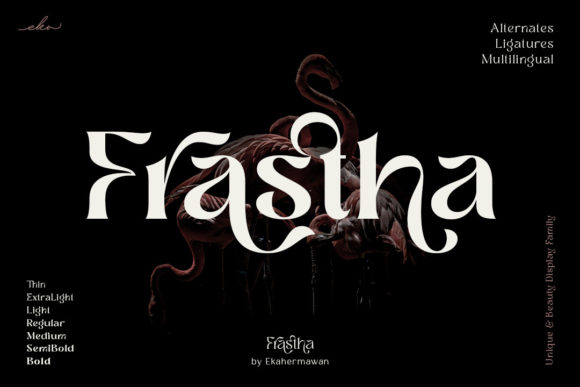
Enter Frastha, a display font that challenges the status quo of modern design. Frastha is a unique display font deeply inspired by the richness of Indian culture. However, its relevance extends far beyond geographical borders. It represents a growing movement toward "heritage modernism," where traditional cultural motifs are digitized for contemporary use. For the modern marketer or creative professional, understanding the power of a typeface like Frastha is essential for crafting narratives that resonate on a human level.
The Cultural Renaissance in Digital Design
Why are professionals gravitating toward culturally specific typefaces? The answer lies in the changing psychology of the consumer. In an era of automation and artificial intelligence, audiences are craving the "human touch." We are witnessing a fatigue with generic, stock-standard visuals. Brands that wish to stand out in saturated markets—whether in e-commerce, tech startups, or creative agencies—must establish a distinct personality.
This is where Frastha enters the conversation. By drawing inspiration from the fluidity and ornamental nature of Indian art, it offers a solution to the "bland branding" problem. It allows businesses to infuse their identity with a sense of artistry and history without looking outdated. This aligns with a broader market trend known as "Global Localism," where brands operate globally but express themselves through local cultural aesthetics to build trust and community.
Understanding the Anatomy of Frastha
To appreciate the utility of Frastha, one must look at its design philosophy. It is categorized as a display font, meaning it is intended for use in headlines, logos, and large-scale typography where visual impact is paramount. Unlike text fonts, which prioritize readability at small sizes, display fonts prioritize character and emotion.
Frastha captures the essence of Indian culture through its letterforms. It likely incorporates elements reminiscent of calligraphic strokes or architectural curves found in traditional art, translated into a digital vector format. This makes it an ideal candidate for any crafting project that requires a personalized look. Whether you are a freelancer designing a wedding invitation, an entrepreneur developing a label for an artisanal product, or a marketer creating a campaign for a cultural festival, Frastha provides a pre-built foundation of elegance and tradition.
The Technical Edge: PUA Encoding and Workflow Efficiency
While aesthetic appeal is subjective, technical utility is objective. One of the most compelling reasons professionals are paying attention to Frastha is its technical robustness. Specifically, the font is PUA (Private Use Areas) encoded.
For the uninitiated, PUA encoding might sound like technical jargon, but for designers and creators, it is a game-changer. Standard character maps in operating systems often limit the number of special characters a font can display. Even if a designer creates a beautiful set of swashes, ligatures, or alternate glyphs, they may remain inaccessible to the average user if they are not mapped to standard keys.
Frastha solves this accessibility issue. Being PUA encoded means that you can access all of the glyphs and swashes with ease. This technical feature democratizes high-end design. You do not need to be a typography expert with advanced software knowledge to utilize the full extent of the font’s decorative capabilities. This efficiency is crucial for modern workflows where speed and adaptability are key. It allows a social media manager to quickly add a flourish to a graphic or a small business owner to customize a logo without spending hours deciphering complex font maps.
Practical Applications for the Modern Professional
The versatility of Frastha allows it to bridge the gap between various industries. Its application is not limited to traditional art; it fits seamlessly into modern, high-tech, and lifestyle contexts. Here is how different sectors can leverage this typeface:
1. Branding and Identity
For startups and entrepreneurs, brand identity is everything. A typeface like Frastha can serve as the cornerstone of a brand's visual identity, particularly for businesses in the wellness, beauty, fashion, or culinary sectors. It suggests a product that is crafted with care and rooted in tradition. Using Frastha for a logo immediately sets a tone of sophistication and cultural appreciation, helping the brand stand out against competitors using generic sans-serifs.
2. Content Creation and Social Media
In the fast-paced world of content creation, stopping the scroll is the primary objective. Social media graphics often suffer from visual monotony. By incorporating the swashes and alternates available in Frastha, creators can add dynamic movement to their posts. The font’s ability to create a personalized look makes it perfect for quote graphics, announcement headers, and video thumbnails that need to convey emotion instantly.
3. Event Stationery and Crafting
The crafting industry has seen a massive resurgence, driven by a desire for tactile, personalized experiences. Frastha is perfectly suited for this market. Its design makes it ideal for wedding stationery, greeting cards, and packaging. The "personalized look" of the font allows crafters to offer bespoke-feeling products at scale. Because the glyphs are easily accessible, hobbyists can experiment with different stylistic sets to create unique compositions for every project.
4. Editorial and Publishing
Publishers and bloggers focusing on travel, culture, or lifestyle content can use Frastha to break up the visual monotony of long-form articles. A stylized drop cap or a section header in Frastha can guide the reader's eye and reinforce the thematic content of the piece. It serves as a visual metaphor for the subject matter, enhancing the reader's immersion.
Aligning with Current Lifestyle Trends
The rise of Frastha is also connected to broader lifestyle shifts. There is a growing appreciation for "Slow Living" and artisanal quality. Consumers are increasingly interested in the story behind the product. A visual identity that utilizes a font inspired by a rich cultural history taps into this desire for narrative.
Furthermore, the global market is becoming more inclusive. Brands are actively seeking ways to celebrate diversity in their visual assets. Using a typeface like Frastha is a subtle yet powerful way to honor Indian heritage while appealing to a global audience that values multiculturalism. It signals that a brand is worldly, aware, and respectful of global art forms.
The Future of Typography is Expressive
As we look forward, the role of typography in business and design will continue to evolve. We are moving away from the era of "safe" choices. The future belongs to typefaces that tell stories and evoke specific emotions. The demand for fonts that offer both aesthetic beauty and technical flexibility—like the PUA encoding found in Frastha—will only grow.
For professionals, the takeaway is clear: your typography is your voice. In a crowded marketplace, a generic voice gets lost. By embracing culturally inspired and technically advanced fonts like Frastha, you equip yourself with the tools to create work that is not only seen but felt. Whether you are redesigning a brand identity or crafting a single social media post, the choice of font defines the user experience.
Conclusion
Frastha is more than just a collection of vector paths; it is a bridge between the ancient and the modern, the technical and the artistic. It addresses the specific needs of today’s creators—differentiation, emotional connection, and workflow efficiency. By offering a unique display font inspired by Indian culture with the technical advantage of PUA encoding, Frastha empowers professionals to elevate their projects. It proves that in the race toward digital perfection, the most effective way to connect with people is to embrace the beauty of human culture.