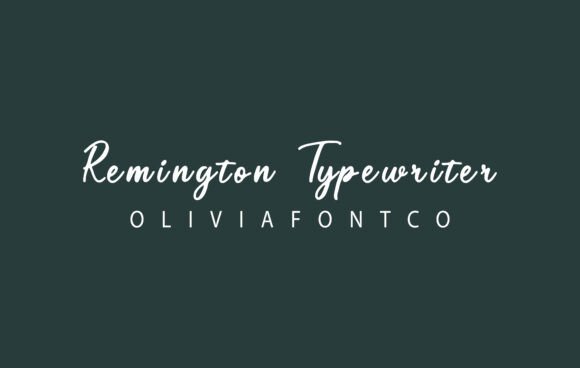
Remington Typewriter Font: Design with Vintage Soul
Understanding the Charm of the Machine
There is a distinct tactile quality associated with the mechanical typewriter—the rhythmic clack of keys and the permanent impression of ink on paper. The Remington Typewriter font captures this specific era of writing history, translating the mechanical precision of early 20th-century machines into a digital format. It is not merely a font that mimics handwriting; it is a typeface that emulates a machine that was once the primary tool for writers, journalists, and secretaries. This distinction is vital for designers. The aesthetic is defined by fixed-width spacing and the uneven ink distribution typical of a typewriter ribbon, offering a texture that modern sans-serifs cannot replicate.
While many typewriter fonts feel sterile or strictly utilitarian, this particular style retains a romantic and nostalgic touch. It bridges the gap between the rigid structure of a monospaced font and the organic feel of a handwritten note. The character set is designed to be legible, ensuring that the vintage aesthetic does not compromise readability. This makes it a versatile tool for creators who want to evoke a sense of history, authenticity, or personal confession in their work without sacrificing clarity.
Practical Applications for Modern Media
For the modern creator, the challenge lies in applying a vintage font to contemporary mediums without creating a visual disconnect. The Remington Typewriter font excels in this area because of its balanced weight and clear letterforms. It is particularly effective in environments where text needs to stand out against complex backgrounds or minimalistic layouts.
Digital Branding and Social Media
In the realm of social media, where the scroll is endless, texture stops the eye. Using this font for Instagram quotes, Twitter headers, or Pinterest graphics adds a layer of depth that standard system fonts lack. For entrepreneurs and small business owners, it communicates a "human" element. It suggests that a real person is behind the brand, writing directly to the customer. It works exceptionally well for brands focusing on artisanal goods, storytelling, or educational content where a voice of authority mixed with nostalgia is required.
Print and Editorial Design
For publishers and bloggers, the font serves as a perfect bridge between digital and print. When designing a magazine headline or a newsletter header, the typewriter font provides a strong visual anchor. It pairs beautifully with clean serif fonts for body text or bold sans-serifs for a modern contrast. Consider using it for:
- Book Covers: Particularly for mystery, memoir, or historical fiction genres.
- Blog Post Titles: To give a personal, journal-like entry feel to digital articles.
- Zines and Independent Press: Where the DIY aesthetic is celebrated.
Event Design and Personal Correspondence
Perhaps the most romantic application of the Remington Typewriter font is in stationery. There is a reason this style is a favorite for wedding invitations; it suggests a timeless love story. It feels personal, as if the couple sat down and typed out every invitation by hand. Beyond weddings, it is ideal for "Save the Date" cards, vintage-themed party invitations, and personalized gift tags.
For freelancers and agencies, consider using this font for thank-you notes sent to clients after a project completion. In a digital world, a PDF or printed note styled with a typewriter font feels more sincere than a standard email. It mimics the formality of a business letter while retaining the warmth of a personal message.
Technical Tips for Best Results
To ensure your designs remain professional and legible, adhere to these practical guidelines when implementing the font:
- Contrast is Key: Typewriter fonts have thin strokes. Avoid placing them on busy, high-contrast backgrounds. A solid, muted background allows the texture of the font to shine.
- Size Matters: While the font is legible, it is best used for display purposes—titles, headers, and pull quotes. For long-form body text on screens, ensure the font size is at least 16px to maintain readability.
- Pairing: Do not pair this font with other decorative or script fonts. It creates visual clutter. Instead, pair it with a geometric sans-serif (like Montserrat or Roboto) for a clean, modern look, or a classic serif (like Garamond) for a traditional feel.
Interpreting the "Romantic Touch"
The description of the font having a "romantic touch" refers to its softness. Unlike a harsh, industrial font used for coding, the Remington Typewriter style often features rounded terminals and slightly varied baselines. This imperfection is what makes it relatable. For educators and content creators, this softness makes information feel more approachable. It transforms a dry instruction manual into a helpful guide, or a corporate blog post into a friendly conversation.
When using this font for branding, think about the emotional response you want to trigger. If your goal is to establish trust and nostalgia, this font is the vehicle. It tells your audience that you value tradition and craftsmanship. It suggests that you take the time to "type" out your thoughts rather than just generating them.
Keeping Your Design Organized and Consistent
While the typewriter aesthetic is charming, consistency is crucial for professional results. When creating a brand kit or a design system, define specific rules for the Remington Typewriter font. Decide if it will be used exclusively for H1 headers, or if it will be used for accent text and call-to-action buttons.
Because typewriter fonts are monospaced (each letter takes up the same width), they can create large gaps in justified text. It is recommended to use left-aligned text for body copy and center-aligned text for short titles or headers. This maintains the "typed page" look without the awkward spacing that can occur with full justification.
Ultimately, the Remington Typewriter