Why Acne is the Clean, Adaptable Font Your Creative Projects Deserve
Every creator knows the feeling: you have a brilliant concept, a polished image, or a compelling message, but the typography just isn't cooperating. The font you choose acts as the voice of your design, and often, we get stuck between typefaces that are too rigid and corporate, and those that are too wild and illegible. If you have been searching for that perfect middle ground, it is time to look at Acne. Created by Viktor Hammarberg, this display font offers a unique blend of neutrality and character that can transform your work from good to exceptional.
Understanding the Balance of Acne
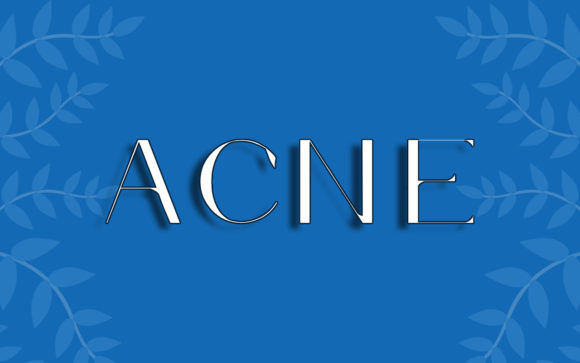
At first glance, defining "Acne" in the context of design might seem counterintuitive, but once you apply the font, the name becomes synonymous with a specific kind of aesthetic freedom. Acne is a typeface that refuses to be boxed in. It is incredibly clean, possessing a geometric precision that feels modern and professional. However, unlike standard geometric fonts that can feel cold or sterile, Acne has a warmth to it. The characters are well-balanced and aesthetically pleasing, designed with a rhythm that makes reading a pleasure rather than a chore.
What makes Viktor Hammarberg’s creation stand out is its adaptability. It doesn't scream for attention, yet it commands respect. It serves as a bridge between the serious tone of corporate branding and the playful energy of artistic expression. Because it is so well-balanced, it matches a wide pool of designs, allowing it to slip seamlessly into various contexts without clashing with your existing color palettes or imagery.
Real-World Applications for Creators and Entrepreneurs
The true test of a typeface is how it performs in the wild. For entrepreneurs and small business owners, Acne offers a sophisticated solution for branding that needs to scale. Imagine you are launching a new direct-to-consumer product. You need a font that looks good on a tiny label, reads well on a mobile website, and commands attention on a billboard.
- Digital Marketing: When crafting social media assets for Instagram or LinkedIn, clarity is king. Acne’s clean lines ensure that your call-to-action or headline remains legible even on small screens. It provides a modern edge that appeals to younger demographics without alienating older customers.
- Website Headers: If you are a blogger or a publisher, your headlines need to grab readers immediately. Using Acne for your H1 and H2 tags creates a visual hierarchy that feels professional and inviting. It sets a tone of authority and style.
- Packaging Design: For physical products, the tactile experience matters. Acne’s balanced characters translate beautifully to print, whether you are using foil stamping on a luxury box or simple screen printing on eco-friendly packaging. It adds a layer of curated design that suggests high quality.
How Educators and Freelancers Benefit from Clean Typography
It isn’t just commercial entities that benefit from good design. Educators and freelancers often struggle to make dense information digestible. Acne solves this by acting as a visual anchor. When creating a presentation for a workshop or a PDF guide for a client, the readability of the text directly impacts comprehension.
Consider a freelance graphic designer pitching a concept to a client. The mood board needs to convey a specific "vibe." If the project is modern and minimalist, Acne acts as the perfect voice. It supports the imagery without competing with it. For educators, using a display font like Acne for slide titles helps break up the monotony of standard presentation software defaults, keeping students or attendees more engaged. It signals that the content has been prepared with care and attention to detail.
Adding Life to Your Creative Ideas
There is a psychological component to design that we often overlook. When we use a font that feels dated or generic, our creative energy can dip. Conversely, when you add a typeface like Acne to your toolkit, you often notice how it makes your ideas come alive.
This isn't just about aesthetics; it's about resonance. Acne has a personality that is subtle yet distinct. It suggests a certain level of taste. For a hobbyist creating a zine, a photographer building a portfolio site, or a musician designing a gig poster, the font becomes part of the storytelling. It helps you move away from the "template" look that plagues so much of the internet and print media today. By utilizing a font that is both clean and adaptable, you give your work room to breathe.
Practical Considerations Before You Dive In
While Acne is incredibly versatile, it is important to consider the specific context of your project before applying it. As a display font, it shines brightest in headlines, logos, and short bursts of text where its geometric beauty can be fully appreciated.
If you are working on a project that requires long-form reading, such as a novel or a detailed technical manual, you should pair Acne with a highly legible serif or sans-serif body font. Acne will set the stage, and the body text will carry the narrative. Additionally, always test the font in the specific medium where it will live. The weight that looks perfect on a desktop monitor might need adjustment for a printed flyer. Pay attention to kerning and leading; because Acne has such distinct character shapes, slightly adjusting the spacing can often elevate the design from great to perfect.
Ultimately, Viktor Hammarberg created Acne to be a tool of expression. It is for the creator who values clean lines but craves personality. By integrating this font into your workflow, you aren't just choosing a typeface; you are choosing a design partner that helps your best ideas come to life.