Platinum: The Bold Brush Typeface for Authentic Design
In a digital landscape saturated with clean, geometric sans-serifs and predictable serifs, finding a typeface that truly captures human energy can be a challenge. When a design calls for warmth, personality, and a handcrafted aesthetic, standard system fonts often fall short. This is where Platinum enters the conversation. It is not merely a font; it is a visual expression of movement. As a brush-style typeface, Platinum mimics the organic rhythm of hand-painted calligraphy, offering designers and creators a tool that feels immediate and genuine. For anyone looking to inject a bold, artistic flair into their work, understanding the nuances of this typeface is essential.
Understanding the Anatomy of Platinum
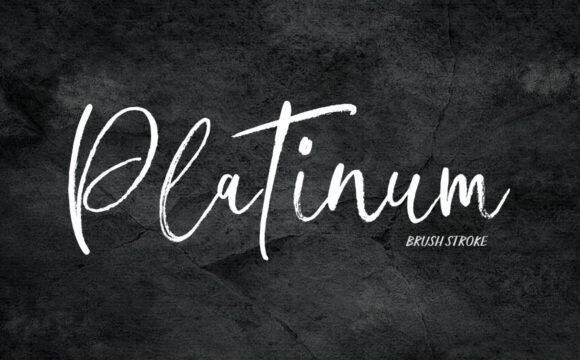
To appreciate the value Platinum brings to a project, one must look at its construction. Unlike digital fonts that rely on perfect circles and straight lines, Platinum is characterized by bold, natural brush strokes. The defining feature of this typeface is its varying thickness. This irregularity is intentional; it mimics the way ink settles on paper when applied with a real brush. The pressure changes, the slight jaggedness of the bristles, and the tapering ends of the letters are all preserved in the design.
This organic shape creates a rhythm that guides the viewer’s eye. Because the letters feel "human-made," they subconsciously signal authenticity to the viewer. In an era of AI-generated content and automated design, a typeface that looks genuinely crafted can be a powerful differentiator. It bridges the gap between digital precision and analog warmth, making it a versatile asset for a wide range of creative applications.
Strategic Application: Where Bold Typography Wins
While Platinum is visually appealing, its true value lies in its strategic application. It is not a "one-size-fits-all" solution, but rather a specialized tool for specific communication goals. Understanding where to deploy this brush font can significantly improve the effectiveness of your visual messaging.
Modern and Edgy Branding
For small business owners and entrepreneurs, brand identity is everything. If your brand personality is energetic, rebellious, or artisanal, Platinum can serve as a cornerstone of your visual identity. Consider a craft brewery, a streetwear label, or an independent coffee roaster. These businesses thrive on a narrative of authenticity. Using Platinum for logos or header text immediately communicates that the product is made with care and passion. It moves a brand away from corporate sterility and toward a more relatable, human persona.
Event Marketing and Posters
Posters and flyers have only a few seconds to capture attention in a busy environment. The high-contrast strokes of Platinum create a strong visual anchor. Because the letters are bold and thick, they maintain legibility even at a distance or on busy backgrounds. This makes the typeface ideal for music festival lineups, community art shows, or pop-up event announcements. The "edgy" feel of the font suggests excitement and movement, which can be crucial for driving attendance.
Personalized Communication
In the realm of digital marketing, personalization is key. However, emails and social media graphics often feel automated. By incorporating Platinum into greeting cards, thank-you notes, or social media quotes, creators can simulate the intimacy of a handwritten letter. For bloggers and influencers, using this font for pull quotes or key takeaways adds a layer of personal commentary to the content, making the reader feel as though they are receiving advice directly from a friend rather than a corporation.
Practical Benefits for Creators and Marketers
Beyond aesthetics, Platinum offers tangible workflow and communication benefits. For professionals managing tight deadlines or freelancers juggling multiple clients, the right font can simplify the design process and enhance the final result.
- Instant Atmosphere: Establishing a mood usually requires complex imagery or photography. Platinum allows you to set a casual, creative atmosphere with typography alone. This can save time and budget during the design phase.
- Visual Hierarchy: Because Platinum is so distinct, it works exceptionally well for headlines and subheadings. It creates a clear separation between "loud" statements and "quiet" body text, improving the overall readability of a layout.
- Creative Flexibility: The brush style pairs surprisingly well with various design elements. It can soften the look of geometric photography or add grit to minimalist layouts. This versatility allows designers to use a single font family across different campaign materials while maintaining a cohesive look.
Best Practices for Pairing and Legibility
While Platinum is a powerful statement font, it requires a thoughtful approach to typography to ensure it remains effective. The bold nature of the brush strokes means that using it for large blocks of body copy is inadvisable; it can become visually fatiguing and difficult to read at length.
The most effective strategy is contrast. Pair Platinum with a clean, neutral sans-serif font for body text. Fonts like Open Sans, Roboto, or Lato provide a calm backdrop that allows the energy of Platinum to pop without overwhelming the viewer. This combination ensures that your design has personality while maintaining professional readability.
Furthermore, pay attention to spacing. Because brush fonts often have irregular edges, they can sometimes appear too cramped if the tracking (letter spacing) is set to standard levels. Increasing the tracking slightly for all-caps headlines in Platinum can improve legibility and give the text room to breathe, enhancing that hand-painted aesthetic.
Who Benefits Most from This Aesthetic?
Platinum is particularly valuable for individuals and businesses that rely on emotional connection. Educators creating engaging course materials can use it to make lessons feel more approachable. Publishers designing book covers for fiction or memoirs can use it to hint at the narrative voice inside. Freelancers in creative fields—such as photographers, stylists, or interior designers—can use it to build portfolios that reflect their artistic sensibility.
However, it is important to assess fit. If you are operating in a highly regulated industry, such as finance or law, the casual nature of a brush font might undermine the perception of stability and precision. In these cases, Platinum might be reserved for internal communications or specific creative campaigns rather than primary corporate branding. Always consider the expectations of your specific audience before committing to a stylistic direction.
Conclusion: Elevating Design with Authenticity
Ultimately, Platinum is more than just a collection of vectors; it is a tool for storytelling. It allows designers to break free from the rigidity of standard digital typography and introduce a human element into their work. Whether you are launching a new brand, designing a poster for a local event, or simply looking to add a creative spark to your social media presence, Platinum offers a bold solution. By leveraging its organic brush strokes and varying thickness, you can create designs that are not only visually striking but also deeply resonant with your audience.