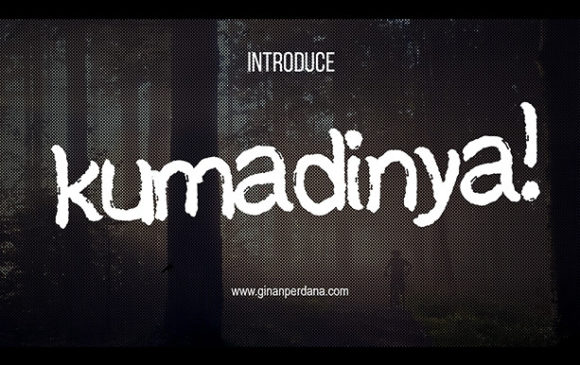
Kumadinya: The Quirky Brushed Font for Bold Creators
Finding the right font is often the missing piece of the puzzle in design. You can have the perfect layout, the right color scheme, and compelling imagery, but if the typography feels flat, the entire project falls short. Enter Kumadinya, a typeface that defies the sterile perfection of standard sans-serifs and the rigid formality of traditional serifs. It is a brushed display font that brings personality, warmth, and a distinct "cool" factor to the table. Whether you are designing a logo, crafting a social media post, or laying out a magazine cover, understanding how to leverage Kumadinya can be the difference between a design that merely exists and one that truly connects.
Understanding the Aesthetic: What Makes Kumadinya Unique?
At its core, Kumadinya is defined by its texture. Unlike standard digital fonts that look as though they were stamped out by a machine, Kumadinya mimics the organic flow of a brush stroke. This gives it a human quality—a sense of imperfection that feels authentic and approachable. However, it isn't just a messy scrawl. It maintains a level of legibility that is crucial for display typography. The "quirky" aspect comes from its unique letterforms; the characters often have unexpected curves or weight distributions that catch the eye and demand attention.
For the design professional, this texture solves a specific problem: the need for warmth in digital spaces. In an era where UI/UX is dominated by sharp edges and geometric precision, using a brushed font like Kumadinya allows you to inject emotion into a brand without sacrificing modern appeal. It bridges the gap between the handmade and the digital, offering a solution for brands that want to appear accessible yet stylish.
A Practical Tool for Diverse Creators
The versatility of a font like Kumadinya lies in its ability to adapt to different creative contexts. While the font itself remains constant, its application changes drastically depending on who is using it and why.
For the Entrepreneur and Small Business Owner
If you are launching a new brand, your typography tells your story before you say a word. Small business owners often struggle to find a visual identity that stands out in a crowded market. Generic fonts like Arial or Helvetica are safe, but they lack the personality needed to build a brand cult. Kumadinya is particularly effective for businesses in the lifestyle, food, fashion, or artisanal sectors. Imagine a coffee shop menu or a handmade soap label; the brushed texture implies craftsmanship and care. It suggests that a human being is behind the product, not a faceless corporation. For the entrepreneur, the priority is brand distinctiveness, and Kumadinya delivers that instantly.
For Content Creators and Social Media Managers
In the fast-paced world of social media, stopping the scroll is the primary objective. Marketers and bloggers need graphics that pop. Because Kumadinya is a display font, it is designed specifically for headlines and attention-grabbing text, not body copy. A content creator can use it for YouTube thumbnails, Instagram story headers, or blog post titles to create an immediate emotional hook. The "quirky" nature of the font adds a layer of playfulness or edginess, depending on the color palette used. For this audience, the priority is visual impact and speed—they need a font that works instantly without requiring complex design gymnastics.
Educators and Hobbyists
Typography isn't just for professionals. Educators creating presentation materials or classroom decorations often look for fonts that are engaging for students but still readable. Kumadinya fits the bill for headers on worksheets or bulletin boards, adding a fun element that captures attention. Similarly, hobbyists—perhaps someone designing a scrapbook page, a family reunion invitation, or a personal blog—will find that Kumadinya adds a level of polish that standard computer fonts cannot match. For these groups, the priority is ease of use and aesthetic reward; they want to create something that looks professional without needing a degree in graphic design.
Evaluating Quality and Usability
When adding any asset to your library, you must weigh the technical quality against the creative output. A font is more than just a picture of a letter; it is a piece of software. Here is how different users might evaluate Kumadinya based on their specific needs.
The Question of Legibility
One of the most common concerns with decorative or brushed fonts is readability. While Kumadinya is quirky, it is designed as a display type. This means it excels at large sizes. Freelancers and designers must remember that display fonts are tools for emphasis, not information density. You would not use Kumadinya to write the terms and conditions of a contract or a 500-word blog post; the eye would tire too quickly. However, for a five-word headline, the legibility is perfect. The priority here is contextual application—knowing when to use the tool and when to leave it in the toolbox.
Flexibility and Pairing
No font is an island. The true power of a typeface is revealed in how it pairs with others. Professionals will look at the structural bones of Kumadinya to see what complements it. Because it has a strong personality, it generally pairs best with neutral, clean sans-serifs or simple serif fonts for the body text. This contrast creates a visual hierarchy that guides the reader's eye. For the beginner, this might sound technical, but it is simple in practice: let Kumadinya be the loud, exciting voice (the headline), and let a standard font be the calm, informative voice (the body text).
Commercial Value and Licensing
For entrepreneurs and publishers, the commercial utility of a font is a major consideration. A font that looks good but has restrictive licensing is a liability. Kumadinya is positioned as an asset for your library, implying it is a tool for creation. When evaluating it, business owners should consider the return on investment. A single distinctive font can unify a marketing campaign across web, print, and merchandise. If Kumadinya becomes the signature look of your brand headers, its value extends far beyond its initial cost. The priority here is long-term usefulness and brand consistency.
Who Should Choose Kumadinya?
Determining if Kumadinya is the right fit requires an honest assessment of your project goals. It is not a universal solution for every text need, but for the specific niche it occupies, it is incredibly powerful.
You should consider adding Kumadinya to your toolkit if:
- You want to convey a sense of authenticity or handmade quality.
- Your project requires bold headers that stand out against a busy background.
- You are tired of overused fonts and need a fresh, modern aesthetic.
- You are working on branding for a lifestyle, fashion, or creative industry client.
- You need a font that balances quirky character with enough structure to remain readable.
Conversely, if your primary need is for long-form reading, data entry interfaces, or ultra-corporate legal documents, Kumadinya is likely not the appropriate choice. It is a font for expression, not just communication.
Conclusion: Elevating Your Visual Language
Typography is the voice of design. Just as you adjust your speaking tone for different audiences, your visual content needs different voices to tell its story effectively. Kumadinya offers a voice that is confident, artistic, and distinctly human. Whether you are a freelancer looking to impress a client, a marketer aiming for higher engagement, or a hobbyist wanting to beautify a personal project, this brushed display font provides the tools to elevate your work. By understanding its strengths and applying it to the right contexts, you can ensure that your next creation isn't just seen—it's remembered.