Evaluating Hangout: A Fluid Script for Modern Branding
In the crowded marketplace of digital assets, selecting a typeface that conveys authenticity without sacrificing legibility is a significant challenge. Hangout presents itself as a compelling solution within the handwritten script category. It is designed to bridge the gap between casual handwriting and formal calligraphy, offering a fluid, elegant motion that feels distinctly modern. For professionals ranging from graphic designers to small business owners, understanding the nuances of a font like Hangout is essential before integrating it into a visual identity.
The Anatomy of the Typeface
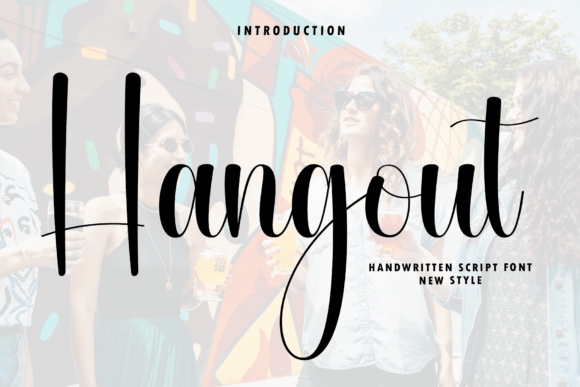
At its core, Hangout is an elegant and fluid handwritten script font. Unlike traditional calligraphy fonts that often rely on rigid, historical structures, Hangout captures the essence of a modern, sophisticated typeface. The letterforms are characterized by smooth curves and a consistent baseline rhythm. This design choice ensures that the text remains readable even at smaller sizes, a common pitfall with more ornate scripts.
The font features a balanced weight that prevents it from looking too thin on screen or too heavy in print. This versatility is crucial for contemporary design, where assets often need to transition seamlessly from a mobile screen to a large-format banner. The ligatures and swashes are designed to mimic natural pen strokes, avoiding the "stamped" look that can make digital handwriting appear artificial.
Visual Characteristics and Flow
When analyzing the visual flow of Hangout, one notices the careful attention paid to connectivity. The transitions between letters feel organic, creating a cohesive word shape rather than a disjointed collection of characters. This fluidity is what makes the font particularly effective for luxury wedding stationery and intimate event branding. In these contexts, the typography must evoke a sense of personal touch and bespoke craftsmanship.
The spacing—both kerning and tracking—is generally well-considered out of the box. However, like most script fonts, Hangout may require manual adjustment in headlines to ensure that ascenders and descenders do not collide. For body text or longer phrases, the default spacing usually provides a comfortable reading experience, maintaining the aesthetic appeal without causing eye strain.
Practical Applications and Use Cases
The utility of a typeface is defined by how well it solves specific design problems. Hangout excels in scenarios requiring a human element combined with high-end polish. It is not merely a decorative font; it is a functional tool for specific branding needs.
- High-End Editorial Signatures: In the publishing world, particularly for lifestyle magazines or personal blogs, a distinctive byline can enhance brand recognition. Hangout offers a signature look that is professional yet approachable.
- Sophisticated Lifestyle Photography Overlays: For photographers and social media managers, overlaying text on images requires a font that does not compete with the visual content. Hangout’s fluid nature allows it to sit atop complex backgrounds while remaining legible.
- Digital Product Mockups: Entrepreneurs selling digital goods often use script fonts to add value to their previews. Hangout works well for labeling planners, journals, or aesthetic templates.
Performance in Real-World Scenarios
From a technical standpoint, Hangout performs reliably across standard design software, including Adobe Creative Suite and Canva. The OpenType features, if supported by the user's platform, allow for stylistic alternates that can customize the look of the text further. This flexibility is a significant strength, allowing creators to tailor the typography to specific project requirements.
However, it is important to assess the font’s legibility in critical environments. While Hangout is excellent for display purposes, using it for extensive paragraphs or technical instructions is not recommended. The cursive nature of the script, while beautiful, can slow down reading speed in dense blocks of text. It is best utilized for headlines, subheadings, and short descriptive sentences where its aesthetic qualities can shine without hindering communication.
Usability and Workflow Integration
For the busy professional, the ease of use is a deciding factor. Hangout integrates smoothly into existing workflows. It does not typically require extensive customization to look good, which saves time during the design process. The font files are generally optimized for web and print, ensuring fast load times and crisp rendering.
Quality and Consistency: The consistency of the letterforms across different weights (if available) is a marker of a well-designed font. Hangout maintains its personality across various applications, ensuring that a brand looks unified whether on a business card or a website header. This reliability builds trust with the audience, as the visual presentation appears intentional and polished.
Who Benefits Most from Hangout?
The primary audience for Hangout includes professionals who curate visual experiences. This encompasses:
- Wedding Planners and Stationers: The font’s elegance aligns perfectly with the emotional weight of wedding materials.
- Brand Designers: When crafting identities for lifestyle brands, bakeries, or boutique shops, Hangout provides the necessary warmth.
- Content Creators: YouTubers and Instagram influencers often use distinct typography to brand their content. Hangout offers a sophisticated alternative to standard sans-serifs.
Educators and small business owners may also find value in Hangout for specific promotional materials, such as sale announcements or thank-you cards, where a personal connection with the customer is desired. It humanizes the digital interface, making interactions feel less transactional.
Limitations and Considerations
No typeface is without its constraints, and an objective evaluation must acknowledge them. While Hangout is a robust script, it shares the inherent limitations of its genre. It is not suitable for legal documents, technical manuals, or UI navigation elements where clarity is paramount.
Furthermore, the "modern" aesthetic of Hangout is subjective to current design trends. While it is sophisticated today, designers must consider the longevity of the style for long-term branding projects. Trends in typography evolve, and what feels fresh now may feel dated in a decade. For timeless applications, such as permanent logo marks, it may be wise to pair Hangout with a classic serif or sans-serif to ground the design.
Another consideration is the context of use. In a minimalist design, Hangout can serve as a focal point. However, in a design that is already busy or uses multiple other decorative elements, adding a fluid script can create visual clutter. Effective use of Hangout requires a balanced composition where the typography has room to breathe.
Strategic Recommendations
To maximize the effectiveness of Hangout, consider the following practical recommendations:
- Pairing: Combine Hangout with a clean, geometric sans-serif font. This contrast creates a hierarchy that guides the viewer's eye and balances the organic nature of the script with structured geometry.
- Color and Contrast: Ensure high contrast between the text color and the background. Thin strokes in scripts can sometimes disappear against low-contrast backgrounds, particularly on screens.
- Size Matters: Use Hangout at larger sizes for maximum impact. It is designed to be admired, not just read. Small sizes may lose the detail of the fluid strokes.
Conclusion on Value
Ultimately, Hangout is a valuable asset for the creative professional’s toolkit. It delivers on its promise of elegance and fluidity, serving as a reliable choice for projects that demand a touch of sophistication. Whether used for a one-off event invitation or a comprehensive lifestyle brand identity, its modern sensibility and practical legibility make it a worthy consideration. By understanding its strengths and applying it in the right contexts, users can elevate their visual communication effectively.