A Practical Guide to Better Autumn: Evaluating Its Playful Style for Your Design Projects
In the vast landscape of digital typography, selecting a font is rarely just about legibility; it is about personality, tone, and audience alignment. For designers exploring options that break away from the rigidity of corporate sans-serifs, the "Better Autumn" typeface presents a compelling, albeit specific, alternative. Created by the Qwrtype Foundry, this font leans heavily into a whimsical, childish aesthetic. However, understanding where this style fits into a professional workflow—and where it becomes a liability—is essential for any creative professional comparing resources.
Defining the Aesthetic: What Makes Better Autumn Distinct?
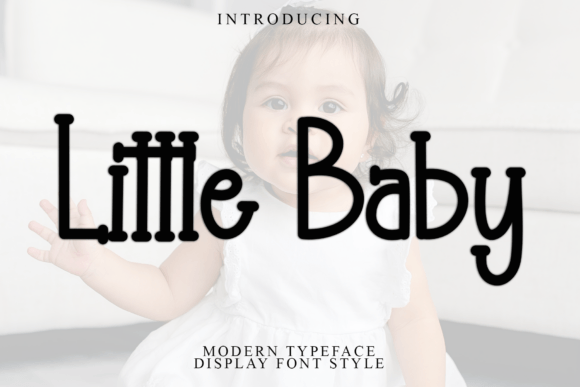
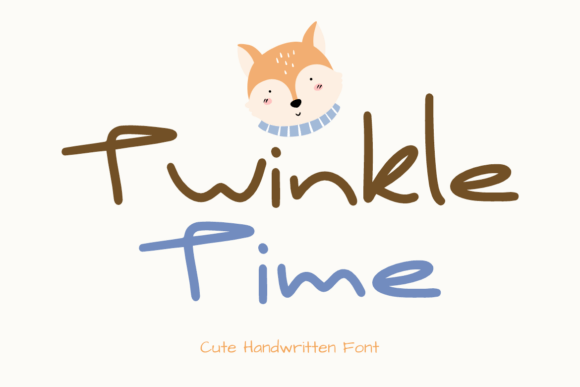
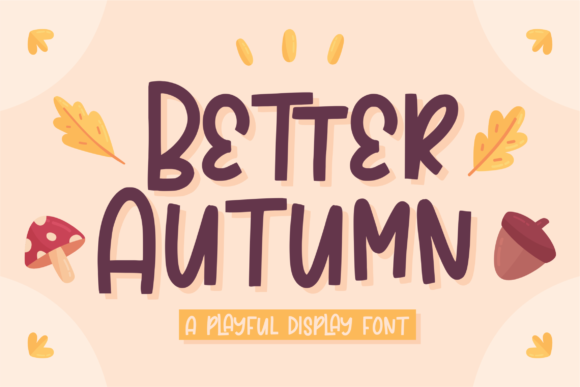
Better Autumn is not a subtle typeface. It is designed to be "fun and playful," characterized by a look that mimics the irregularity and charm of a child’s handwriting or perhaps a storybook header. Unlike geometric fonts that prioritize mathematical precision, Better Autumn embraces organic curves and uneven baselines to create a feeling of approachability.
The primary distinction of this font lies in its ability to inject warmth into a design immediately. While many modern fonts strive for neutrality to fit any context, Better Autumn takes a definitive stance on mood. It is intended to evoke nostalgia, innocence, and lightheartedness. This makes it a specialized tool rather than a general-purpose body text solution. For designers researching alternatives to standard serif or sans-serif options, this font represents the "expressive" end of the spectrum.
Technical Utility: The Advantage of PUA Encoding
A critical factor when evaluating fonts for professional use is technical compatibility and accessibility of features. Better Autumn is noted for being PUA (Private Use Areas) encoded. For the non-technical researcher, this is a significant decision factor.
Many decorative fonts include special ligatures (where two letters connect stylistically) and glyphs (special character variations) that are difficult to access without advanced design software. Because Better Autumn is PUA encoded, these special characters are mapped to specific codes that allow them to be accessed even in basic text editors or web platforms that do not support advanced OpenType features.
This technical specification lowers the barrier to entry. A user comparing this resource against a non-encoded alternative will find that Better Autumn offers greater versatility across different mediums. Whether you are designing in a high-end vector suite or a simpler online design tool, the "amazing glyphs and ligatures" mentioned by the creator remain accessible. This reliability is a practical strength for users who need consistency across various software environments.
Comparing Categories: Playful vs. Professional
When weighing Better Autumn against other font categories, it is helpful to consider the specific requirements of your project. Typography generally falls into a spectrum ranging from utilitarian to decorative.
If your project requires a tone of authority, stability, or high-end luxury, Better Autumn is likely not the appropriate choice. Fonts in the Modern Serif or Neo-Grotesque categories are better suited for conveying trust and seriousness. For instance, legal documents, financial reports, or luxury brand packaging would suffer from the casual nature of a childish font.
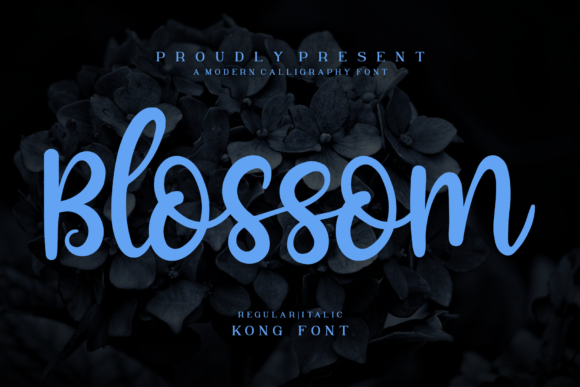
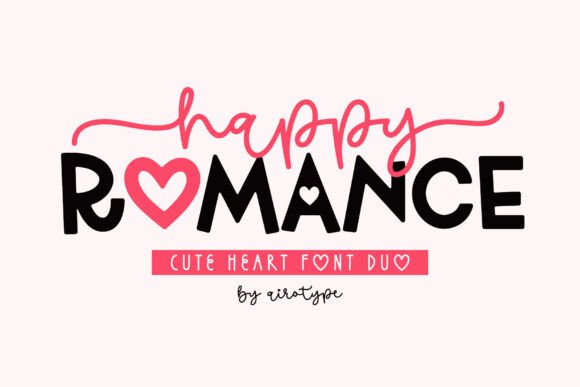
Conversely, if the goal is to engage a younger demographic or to soften a brand’s image, Better Autumn offers a distinct advantage over standard alternatives. It competes well against other script and display fonts by offering that specific "handmade" feel without being overly messy. It strikes a balance between being stylized enough to be interesting, but structured enough to remain legible in short bursts.
Strengths and Tradeoffs
Every design resource involves a tradeoff, and Better Autumn is no exception. Understanding these pros and cons allows for a more informed decision.
Strengths
- Emotional Connection: The primary strength is its ability to humanize a design. It feels personal and handwritten, which can foster a connection with the viewer that sterile fonts cannot.
- Versatility of Glyphs: The inclusion of ligatures and alternate characters allows designers to customize the look of the text, preventing the "repetitive" look that often plagues digital script fonts.
- Technical Accessibility: As mentioned, the PUA encoding ensures that the font’s full feature set is usable across a wide range of platforms, making it a reliable resource for diverse workflows.
Tradeoffs
- Readability at Scale: Like many display fonts with a "childish" aesthetic, Better Autumn may lose legibility when used in long paragraphs or at very small sizes. It is best used for headers or short calls to action.
- Tonal Limitations: The playful nature is a double-edged sword. It effectively rules out the font for serious, formal, or somber contexts. It is highly specialized, meaning it cannot be your only font choice.
- Trend Sensitivity: Playful, hand-drawn fonts can sometimes be associated with specific design trends. While they add fun, designers must ensure that the "childish" look aligns with the long-term branding goals of a client.
Practical Applications and Best-Fit Situations
To determine if Better Autumn is the right resource for you, consider the specific context of your application. The font excels in scenarios where the "fun" factor is a priority.
Educational Materials: If you are designing worksheets, posters, or apps for children or young students, the approachable style of Better Autumn can make the content feel less intimidating. It mimics the writing style children are often taught to emulate, creating a sense of familiarity.
Casual Branding: For small businesses in the food, craft, or lifestyle sectors—such as a bakery, a craft brewery, or a handmade toy store—Better Autumn can serve as a strong logo or header font. It communicates that the brand is friendly, unpretentious, and accessible.
Event Invitations: For birthday parties, baby showers, or casual community events, this font provides the necessary festive atmosphere. In this context, it competes favorably with standard cursive scripts, which can sometimes feel too formal or traditional.
Seasonal Marketing: Given the name, the font naturally lends itself to autumnal or seasonal campaigns. However, its "playful" nature makes it adaptable to any season where a lighthearted touch is needed, such as spring or summer promotions.
When to Choose Another Option
Despite its strengths, there are clear situations where a different approach is necessary. If you are designing a user interface (UI) for a complex software application, the irregular shapes of Better Autumn could confuse users and hinder navigation. In UI design, clarity and uniformity are paramount, making a standard sans-serif font a superior choice.
Similarly, for long-form content—such as blog posts, articles, or books—readability is the priority. Fonts designed specifically for body text (often called "text faces") have larger x-heights and more open spacing to facilitate reading over long periods. Using Better Autumn for body text would likely result in eye strain for the reader.
Conclusion: An Informed Decision
Better Autumn by Qwrtype Foundry is a specialized tool designed to solve a specific problem: how to add fun, warmth, and a human touch to digital design. Its technical robustness, evidenced by PUA encoding, ensures that it is a practical choice for designers of varying skill levels.
However, it is not a universal solution. When evaluating this font, you are essentially trading the neutrality of standard typefaces for the expressiveness of a playful style. If your project demands seriousness, corporate authority, or dense readability, you should look toward other categories of fonts. But if your goal is to engage an audience with a lighthearted, approachable, and distinctly childish charm, Better Autumn stands out as a viable and technically sound option.